
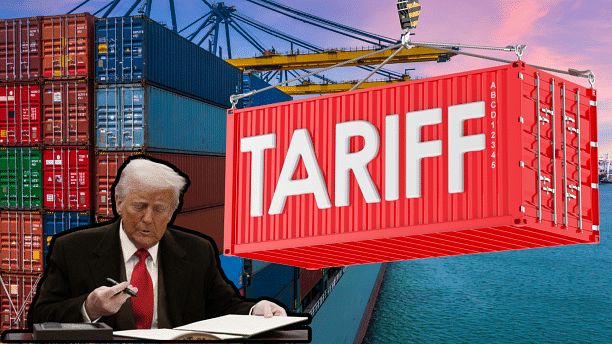
In a surprise pre-Thanksgiving gift to American consumers, President Donald Trump announced immediate tariff reductions on three everyday staples — coffee, bananas, and select beef imports — effective December 1, 2025. The move is designed to blunt stubborn grocery inflation that has hammered household budgets since 2023.
Speaking from the White House Rose Garden on November 18, Trump declared the cuts “the fastest way to put money back in the pockets of working families.” Coffee duties drop from 10% to zero, bananas from the Section 301 25% rate to 5%, and certain South American grass-fed beef categories from 26.4% to under 10%. The White House estimates the changes will shave 0.2–0.4 percentage points off core food CPI by Q1 2026.
The announcement caught markets off guard. Coffee futures on ICE tumbled 6% within minutes, while banana giant Chiquita Brands and beef importers saw shares jump 8–12% in after-hours trading. Grocery chains Kroger and Walmart both issued statements welcoming “meaningful relief at the checkout lane.”
Economists are split. Moody’s Analytics projects the tariff relief could save the average U.S. household $140–$180 annually on these items alone, with the biggest gains for lower-income families who spend a higher percentage of income on food. Former Treasury official Sarah Bloom Raskin praised the targeted approach, noting “it’s rare to see trade policy used as direct anti-inflation medicine.”
Critics, however, call it election-year theater. Senator Elizabeth Warren fired back on X: “Cutting tariffs on bananas while keeping 60% duties on Chinese electronics and Mexican avocados isn’t serious policy — it’s a photo op.” Agricultural groups in Florida and Hawaii worry cheaper Latin American bananas could crush domestic producers already struggling with hurricane damage.
Behind the scenes, the cuts stem from quiet negotiations with Ecuador, Colombia, Brazil, and Vietnam — countries that agreed to increase purchases of U.S. soybeans, corn, and LNG in exchange for market access. A senior administration official told reporters the deal also locks in stable supply chains after 2024’s drought-driven coffee shortages pushed arabica prices to all-time highs.
Retail impact will be swift. Starbucks confirmed it will pass savings to customers with a 10–15 cent price drop on brewed coffee starting January. Costco’s CFO said rotisserie chickens and prime rib roasts could see “noticeable” price reductions by Super Bowl weekend. Fast-food chains Chipotle and Taco Bell are reviewing menu pricing, with analysts expecting a 2–4% rollback on breakfast and burrito items heavy on beef and beans.
Wall Street sees broader ripple effects. Bank of America raised its 2026 consumer spending forecast by 0.3%, citing improved real wage growth for lower-income cohorts. Bond yields dipped slightly as traders priced in a softer Fed path if food inflation finally cools.
Trump hinted more relief is coming, teasing “Phase Two” tariff cuts on seafood, cocoa, and orange juice “before the holidays are over.” Whether the strategy delivers lasting inflation relief or simply shifts costs elsewhere remains hotly debated, but for millions of Americans staring at rising grocery bills, cheaper morning coffee and weekend steaks will be welcome this winter.