
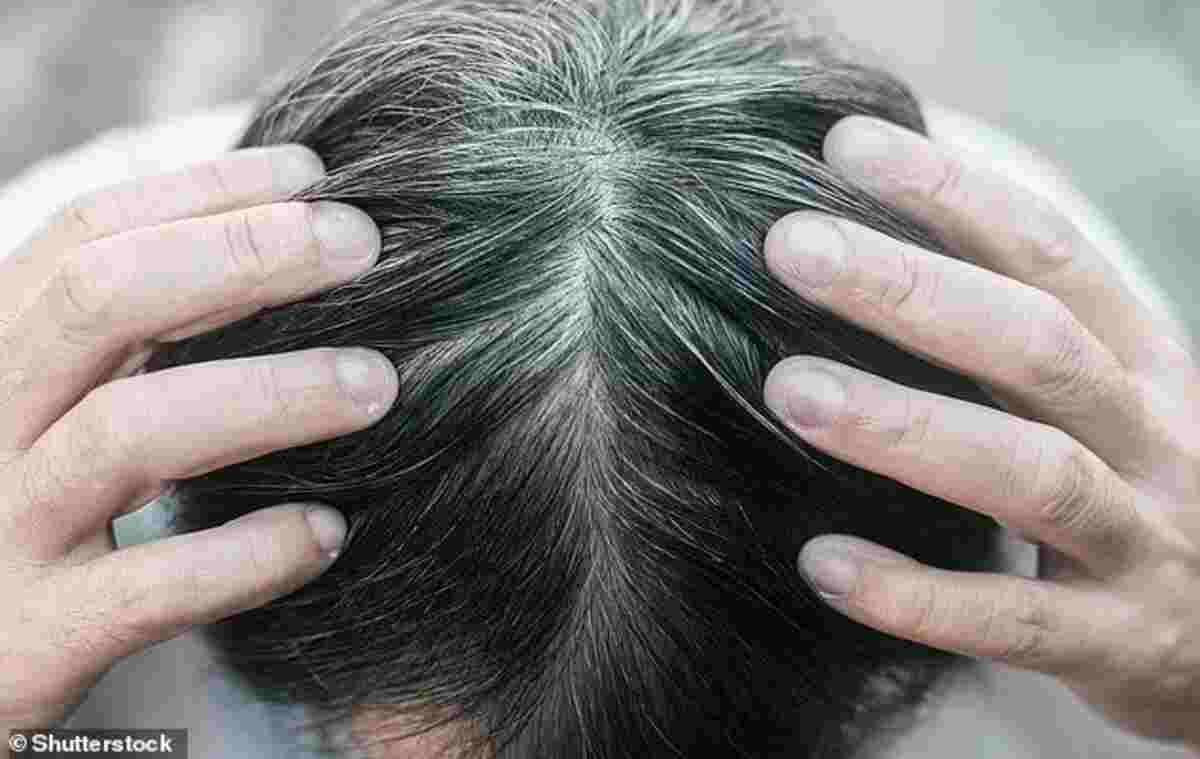
For decades, going gray has been widely seen as an inevitable sign of aging — something people cover up with dye or accept as part of life. But groundbreaking scientific research now suggests that this visible marker of growing older may not be a one-way street after all. In early 2026, scientists around the world are capturing attention with new insights into how and why hair turns gray — and most excitingly — how it might someday be possible to reverse the process naturally.
At the heart of this development are discoveries about the inner workings of hair follicles and the pigment-producing cells that determine hair color. Hair gets its color from pigment cells called melanocytes, which derive from a reservoir of melanocyte stem cells (McSCs) inside each hair follicle. In healthy follicles, these McSCs travel between different compartments of the follicle and regenerate pigment-making cells over time — keeping hair colored as it grows.
Researchers from New York University’s Grossman School of Medicine and other institutions published new findings showing that the loss of hair color may result not just from a depletion of pigment cells but from a breakdown in their mobility. In aging follicles, many McSCs become stuck in one part of the follicle and fail to migrate to the zone where pigment regeneration is triggered, leading to gray hairs.
This discovery is significant because it reframes gray hair as an issue of cellular movement and timing rather than permanent cellular loss. If scientists can find safe ways to restore the natural mobility of these McSCs — allowing them to once again reach their pigment-producing niche at the right moment — it could open the door to reversing gray hair without requiring dyes or artificial pigments.
The implications of the research extend beyond cosmetics. Many scientists see it as part of a broader shift in how aging processes are understood. Rather than viewing aging as a one-directional decline, emerging evidence suggests that some changes associated with aging may be modifiable or at least influenced by biological factors that can be adjusted or enhanced. This has stirred global interest not only among scientists but also in sectors focused on anti-aging and regenerative medicine.
Adding to the momentum, commercial brands are beginning to enter the conversation. In late January 2026, the well-known grooming brand Just For Men® launched a new Gray Reverse™ dye-free hair serum, claiming to use peptide technology designed to reactivate natural pigmentation processes at the follicle level. While far from a clinical cure, this product reflects rising consumer demand for solutions that align with scientific possibilities rather than traditional dyes.
Yet experts urge caution. Most current research has been conducted in animal models, especially mice, where scientists can precisely track cell behavior inside follicles. While human follicles are similar, they are not identical, and translating mechanisms from mice to people remains a key challenge. Moreover, safely influencing cells and signaling pathways in human follicles requires rigorous testing to avoid unwanted side effects, including the theoretical risk of abnormal cell growth.
For now, no approved medical treatment exists that can reliably reverse gray hair in humans. But scientists are optimistic that these breakthroughs represent a critical step forward in understanding the biology of hair pigmentation and aging itself. The discovery that gray hair could be reversed — even in theory — marks a substantial shift in a long-held belief about aging.
Researchers are now preparing to expand studies into human skin and hair models, exploring whether manipulations that promote McSC movement or strengthen pigment signals can be safely achieved. If successful, the next decade could see the development of targeted therapies that go beyond covering gray hair, aiming instead to restore the natural processes that keep hair vibrant.
Although full solutions may still lie years in the future, 2026 has already become a landmark year in the science of hair aging — transforming gray hair from an inevitable inevitability into a biological puzzle with solutions on the horizon.