
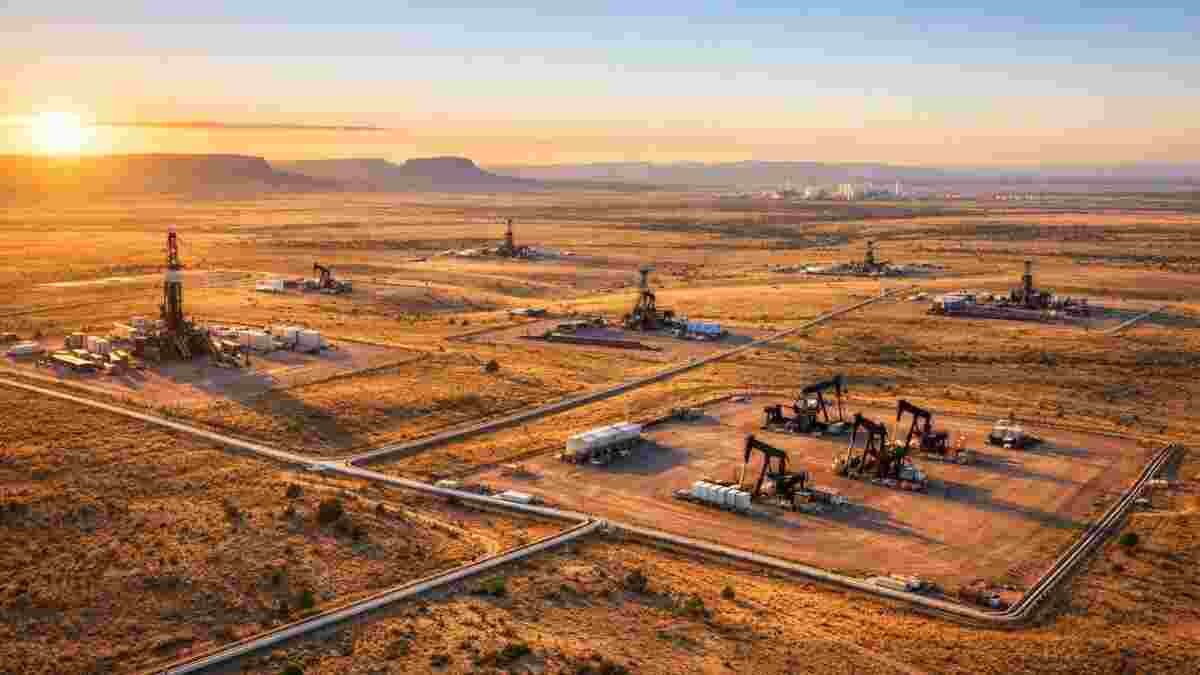
A new record in the U.S. energy industry has been set up, as Devon Energy and Coterra are reported to have finalized a large-scale merger, forming one of the giant multi-basin shale producing companies in North America. With the transaction, the consolidated firm’s presence in areas that have proved to be productive oil and natural gas fields gets much stronger and also the consolidation trend in the energy industry is reinforced as a way for companies to become even more efficient, to show better financial results, and to grow over the years.
The merger is an example of a cooperation between two large energy producer companies, having shale assets that complement each other. As result to a merger of their businesses they will be able to drill more locations of high-quality at once, produce more oil, and be more nimble about handling shifts in energy markets.
A group of experts from different industries refer to the acquisition of the new business as one of the largest deals in the shale sector in recent times. The joint operation enables the corporation to diversify its production from several resource-rich areas instead of being heavily concentrated on just one single geographically location. Such a diversified risk strategy helps lower operational uncertainties and also allows the business to sustain its levels of output even during periods when commodity prices fluctuate.
In a span of two decades, shale production has enabled the United States to become a key global energy supplier. Breakthroughs in horizontal drilling and hydraulics fracturing techniques have brought the world the oil and natural gas, which earlier was considered extremely challenging resource to tap. Generally, companies with operations in multiple shale basins are not only the fastest in production optimization, capital allocation efficiency but can also change strategies given the circumstances of the market.
Among the main strengths of the merger is the expansion of the company’s operational scale. Typically, big energy enterprises are enjoying from less expenses for day-to-day work, higher influence with their suppliers, better chances of getting a credit to carry out any developmental projects. All those advantages can cause an improvement in the company’s profitability and also to Really the company may decide on allocating more funds to technology, development of infrastructure and exploration.
The merged company will have substantial presence in a number of different shale areas, and that includes some of North America’s most productive fields for oil and gas. Holding different basins allows business leadership to concentrate their drilling activities only on those sections of their business where returns are highest, while at the same time they can change their production strategies in response to price changes and region-specific market conditions.
Apart from these, the executives point out that they are going for the merger because this will lead to meaningful cost savings by integrating operations, cutting down overhead costs, and redeveloping systems of the company’s infrastructure. Truth is they are combining know-hows in drilling production logistics, and technology means that they can boost the overall operation efficiency and at the same time help guarantee good financial performance over time.
Lately companies from the energy industry are becoming more concentrated from market transformations. Producers, in line with the investors’ recommendation, are supposed to do not just the increase in output, but also create a significant cash stream, stay on the track of their expenses, and provide dividends to their shareholders on a regular basis. Strategic mergers and acquisitions are now playing the key role in helping achieve these aims and aspirations.
Another positive aspect of the deal is that it gives the company enhanced flexibility by adding their gas reserves to its oil production. With demand for cleaner fuels worldwide rising consistently, gas still serves as one of the most significant components in the world energy basket for a while longer. The bigger the resource base, the better the chances for meeting customers’ demands in a changing environment without compromising long-term energy security.