
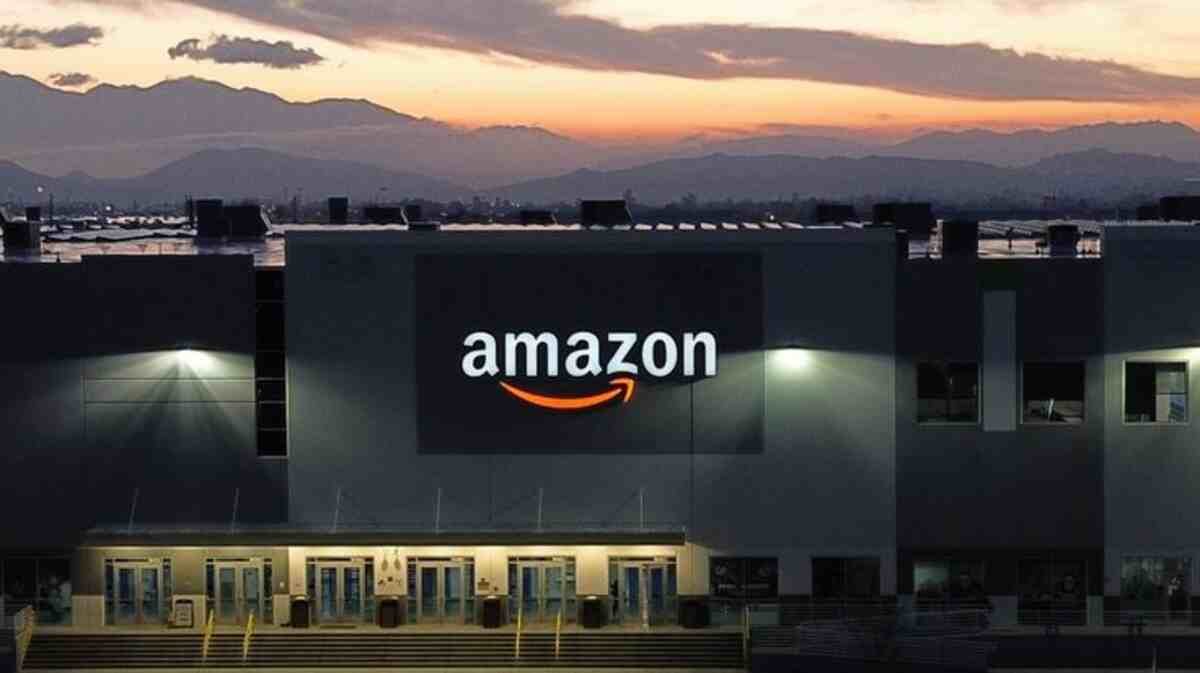
In a bold move reshaping the tech infrastructure landscape in the United States, Amazon’s Amazon Data Services unit has acquired the George Washington University Virginia Science and Technology Campus in Ashburn, Virginia, for approximately $427 million, marking one of the most significant recent bets on artificial intelligence and cloud computing infrastructure in 2026.
The sprawling 122-acre campus, formerly home to student facilities, research labs, and academic programs, now falls under the ownership of Amazon Data Services — a subsidiary focused on constructing and operating data center and technology facilities. According to the student newspaper at the university and related filings, the property is slated to be redeveloped into an advanced data center campus, further widening Amazon’s footprint in what is already one of the world’s most concentrated tech real-estate hubs.
Ashburn, Virginia, often dubbed the digital backbone of the internet, hosts hundreds of data centers for companies ranging from cloud providers to content networks. Amazon has been a prominent player there since launching its first AWS data center in the region in 2006. The company’s presence now spans dozens of facilities across multiple counties, supporting services that power everything from e-commerce and enterprise apps to generative AI workloads.
What makes this acquisition particularly notable is its strategic timing. Demand for AI-focused cloud computing infrastructure has surged as enterprises and developers adopt large language models and machine learning applications at an unprecedented pace. To meet this demand, technology giants are expanding physical infrastructure capacity with larger, more powerful data centers capable of handling next-generation workloads. Amazon’s purchase of the George Washington University campus positions it to build next-level compute facilities that can support vast AI operations.
This move also aligns with the company’s longstanding investment strategy in Northern Virginia. In 2023, Amazon outlined plans to spend $35 billion on data center expansion in the state by 2040, adding to tens of billions already committed to the region over the past decade. The acquisition supplements that plan by securing additional land in a highly sought-after technology corridor.
For George Washington University, the sale brings immediate financial relief amid broader higher education funding pressures. The university will retain the right to operate programs on the site for up to five years while redeploying the proceeds into a dedicated endowment to bolster research, teaching and financial aid efforts — a strategic move to enhance its long-term stability.
Industry analysts see Amazon’s action as part of a broader data center arms race among cloud providers and hyperscalers. Competitors such as Microsoft Azure, Google Cloud, and other infrastructure players are also investing heavily in land and capacity to meet growth in AI and cloud service adoption. While Amazon’s competitors have pursued expansions in Europe, Asia and the U.S., the Ashburn campus acquisition demonstrates how prized physical capacity near major network and fiber intersections remains.
The acquisition takes place against the backdrop of other major investments by Amazon in infrastructure globally. For example, the company recently announced additional multi-billion dollar commitments to build and enhance data center networks in Spain and Louisiana, aimed at supporting advanced cloud services and creating thousands of jobs.
Yet despite this surge in expansion, there are challenges. The rapid pace of infrastructure investment across the AI and cloud sectors has raised concerns about potential overbuilding and the sustainability of long-term demand. Some investors and analysts caution that without continued growth in enterprise and consumer AI spending, vast data centers may risk underutilization. Nonetheless, for now, companies like Amazon are continuing to double down on capacity as they compete to provide the backbone for tomorrow’s most advanced digital systems.
With this strategic acquisition, Amazon positions itself at the forefront of computing infrastructure growth, ready to host the next wave of AI innovation and cloud technology capabilities from one of the industry’s most powerful hubs in the United States.